Thurnham
1831 Topographical Dictionary
Thurnham, historically referred to as “Thomham”, is a parish with a rich and fascinating heritage dating back many centuries. Situated within the historic Hundred of Eyhorne in Kent, the parish was recorded in the 1831 Topographical Dictionary of England as lying approximately four miles east north east of Maidstone and home to just over 500 inhabitants.
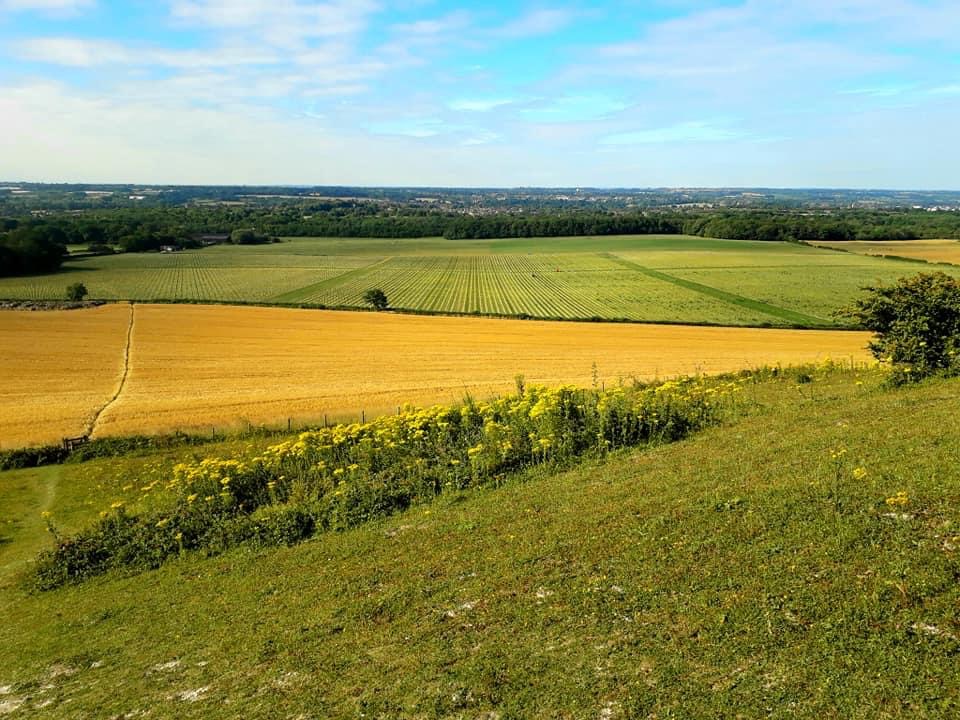
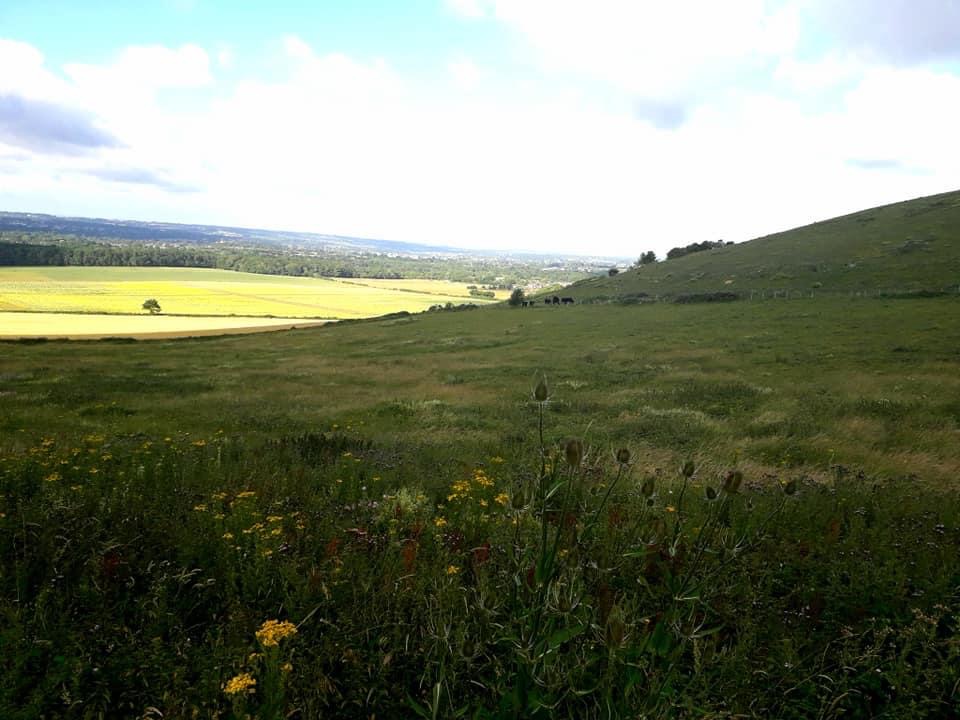
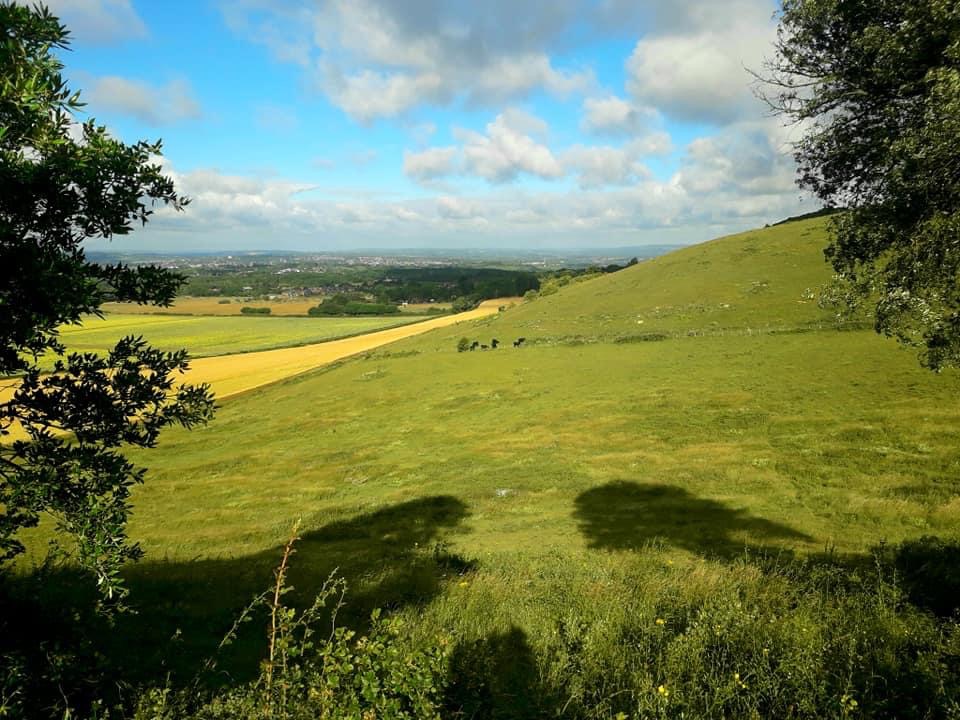
The parish has long been recognised for its striking landscape, historic buildings, and archaeological importance. The Church of St Mary the Virgin, much of which dates back to the medieval period, remains one of the parish’s most significant landmarks and reflects the historic character of the area.
High on the hillside overlooking the parish are the ruins of Thurnham Castle, also known historically as Godard’s Castle. These remains continue to form a distinctive feature of the North Downs landscape and offer a glimpse into the parish’s Norman past. The castle walls and earthworks remain visible today and are a popular destination for walkers exploring the Pilgrims’ Way and surrounding countryside.
The 1831 dictionary also references evidence of Roman occupation within the parish, including discoveries of urns and other artefacts, highlighting the long-standing importance of the area throughout history. Thurnham was additionally known for deposits of fine white sand, believed to have contributed to the early development of the glass-making trade in Kent.
Today, whilst the parish has evolved over time, Thurnham continues to retain its rural charm, historic identity, and strong connection to the surrounding Kent countryside. The Parish Council remains committed to preserving and protecting the unique heritage and character of the parish for future generations.