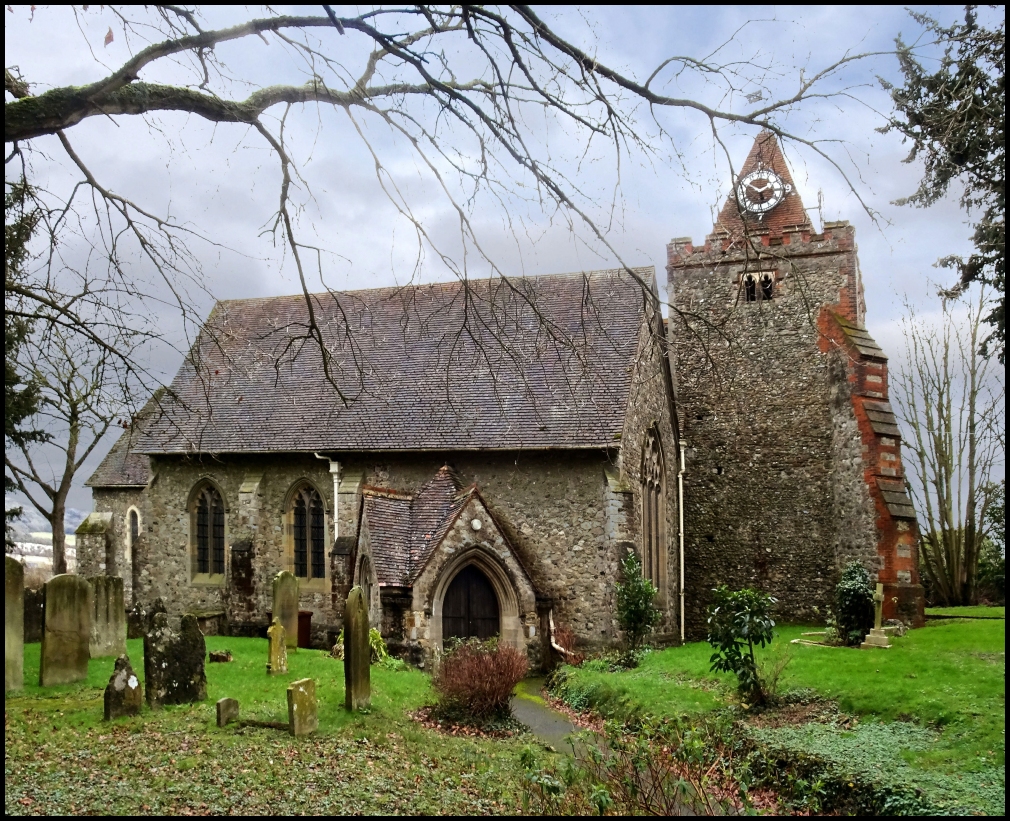
(h) Church / (i )Bishop's Palace
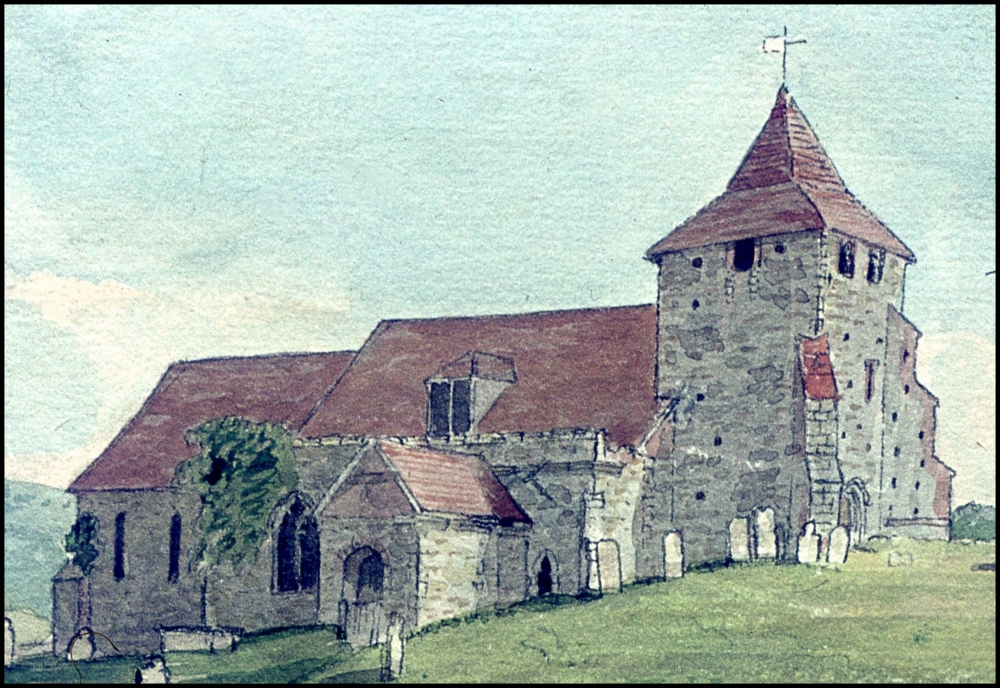
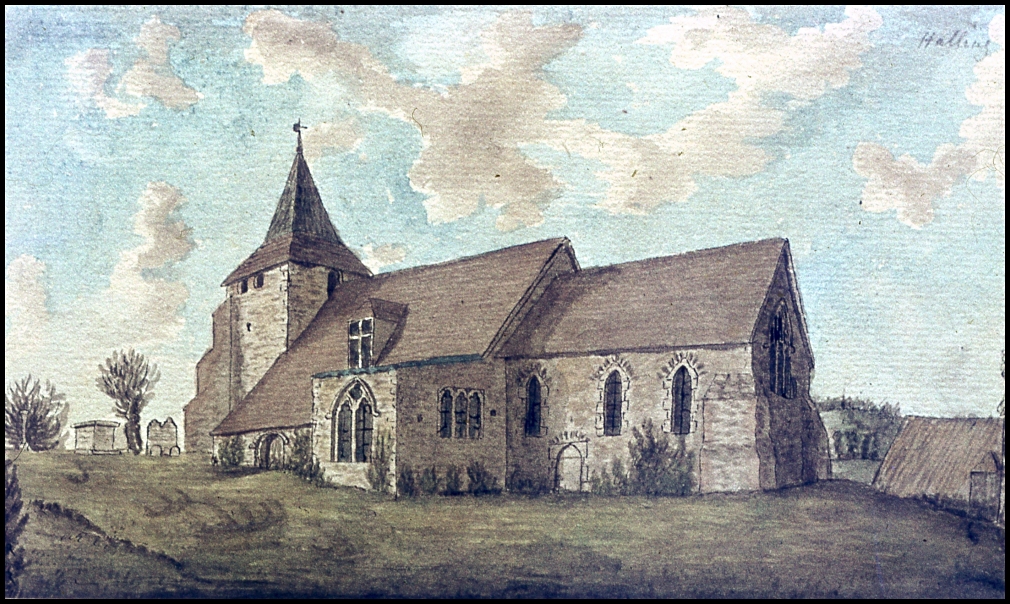
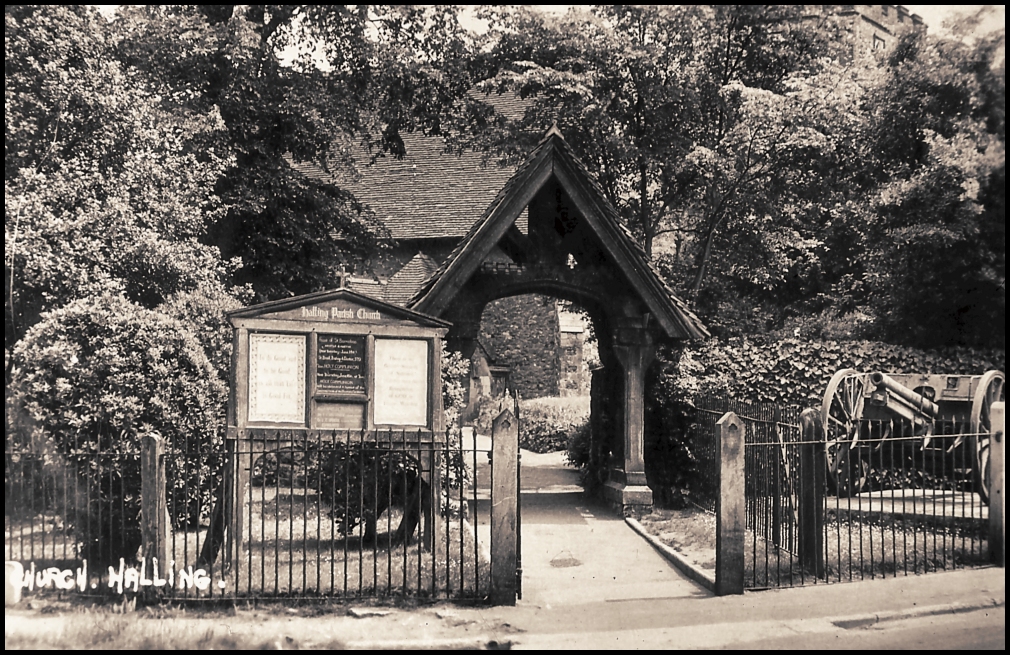
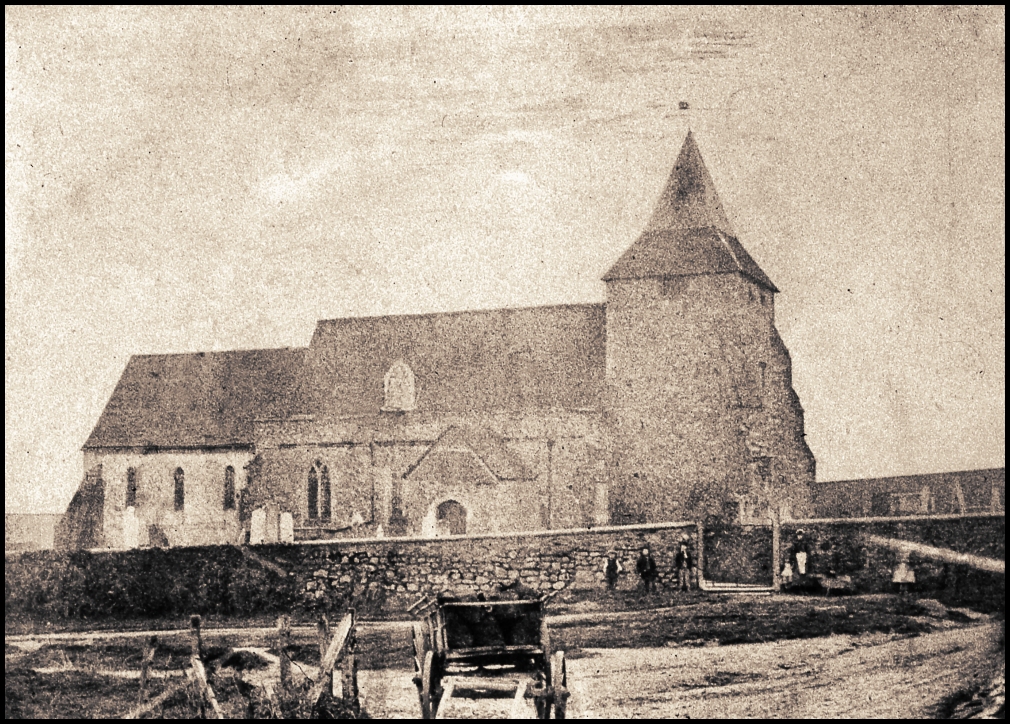
'h' St John the Baptist Church The church of St. John the Baptist has stood here for at least 1200 years. The Normans built the stone church in the early 11th century but it was greatly extended in the ‘Victorian Restoration’ of 1887 and much of the original stonework was lost. A unique set of rare medieval wall paintings were discovered during that work and these have recently been restored.
'i' Halling Bishop's Palace A section of ragstone wall bearing three lancet windows is all that remains of the once-sprawling early medieval manor house known as the Bishops Palace. Built at the end of the 11th century, it was one of the six country residences of the Bishops of Rochester. It ceased being used by the bishopric in the mid-16th century and was leased out as a private dwelling. The noted antiquarian William Lambarde lived there in the late 16th century. By the early 18th century the manor had been abandoned and was derelict. It briefly served as a workhouse in the late 18th century before its remnants were largely demolished by the Hilton & Anderson cement company upon the building of their factory in the 1870s. What remains has been awarded Scheduled Monument status. For more information, go to: