A.E.D
AED Automated External Defibrillators in Bomere Heath
There are two AEDs situated in the village of Bomere Heath. An AED is an Automated External Defibrillator which is a portable electronic device that can be used when someone has gone into cardiac arrest. The AED gives the patient an electrical therapy which in some cases will allow the heart to re-establish a beat.
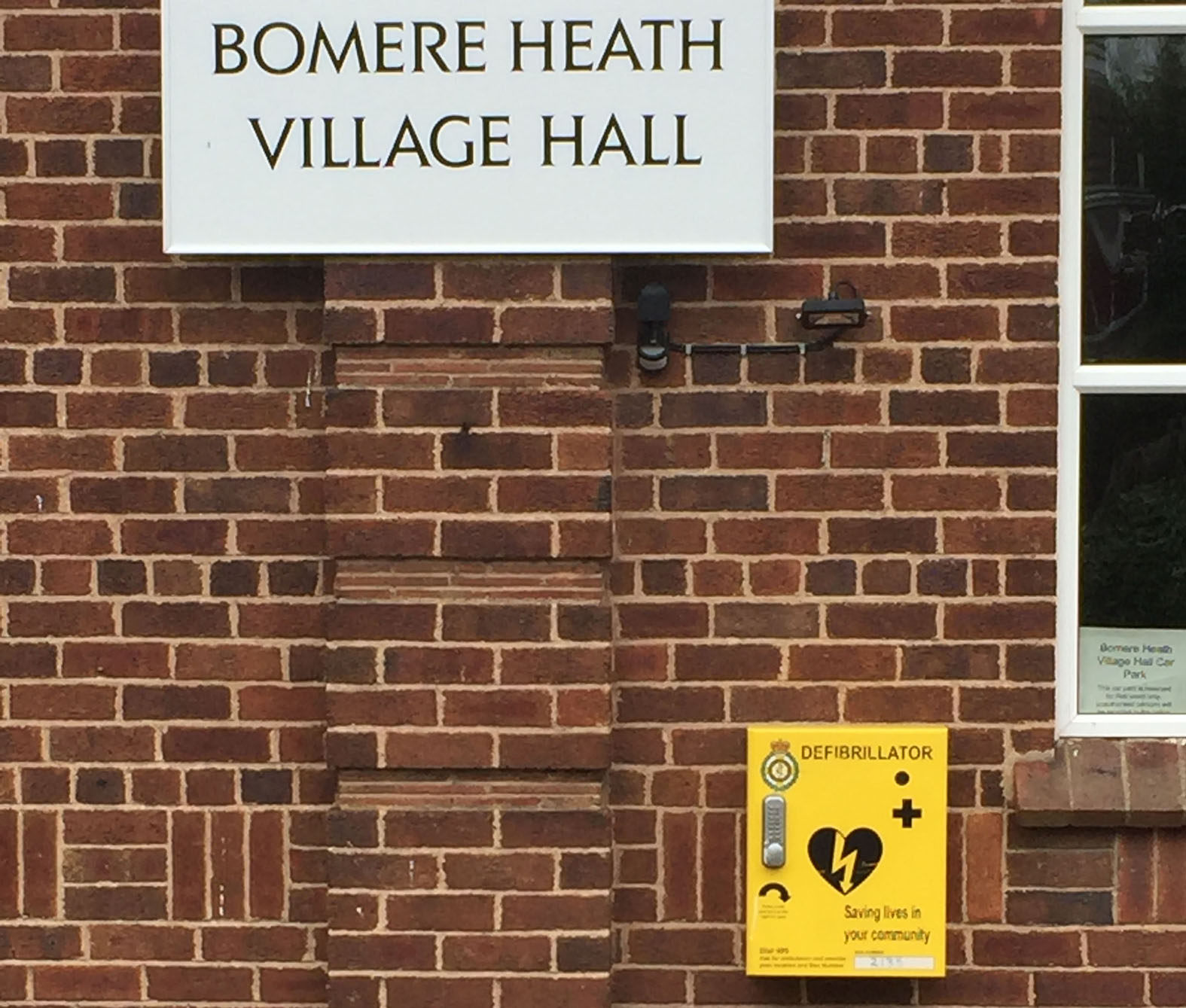
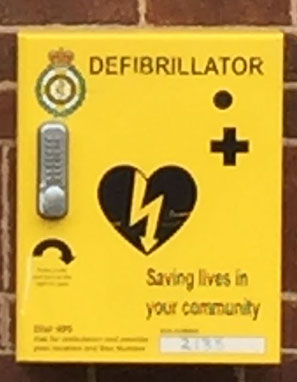
The WMAS ( West Midland Ambulance Service) one is mounted in a locked cabinet on the front wall of the Village Hall, and the other can be found behind the serving counter at the CO-OP. Both are freely available to be used by members of the public, whether trained or not. However, the WMAS AED can only be accessed by using the cabinet keypad, which requires the authorisation of the Ambulance Service, and the one in the CO-OP can only be accessed during shop opening hours. After use, it is essential that they are returned to their original sites.
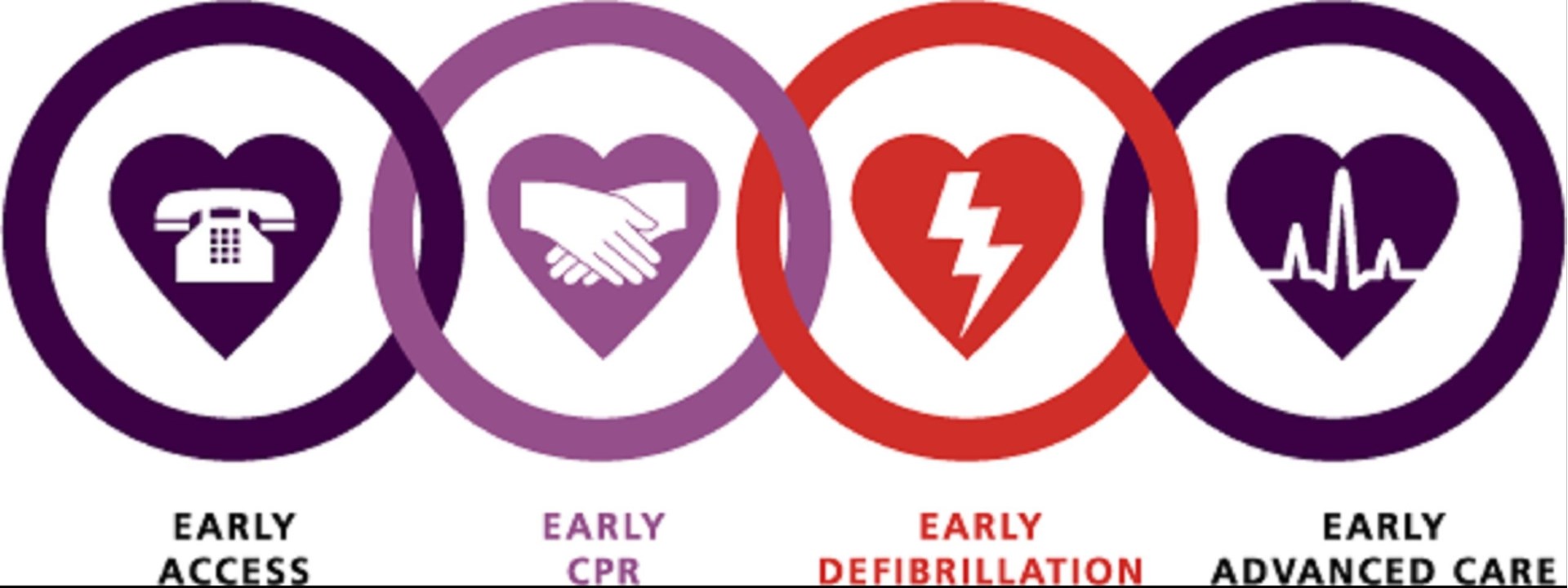
If you suspect someone of having a heart attack or a cardiac arrest you should dial 999. If the patient is not breathing – it is important to do CPR until the ambulance arrives. Do tell the operator that you suspect a cardiac arrest and they will call a local member of the AED team who will come to your house with the defibrillator. If there is someone else with you who is confident in using the defibrillator they can collect it from the village hall themselves – if they call 999 they will be given the code to open the yellow box.
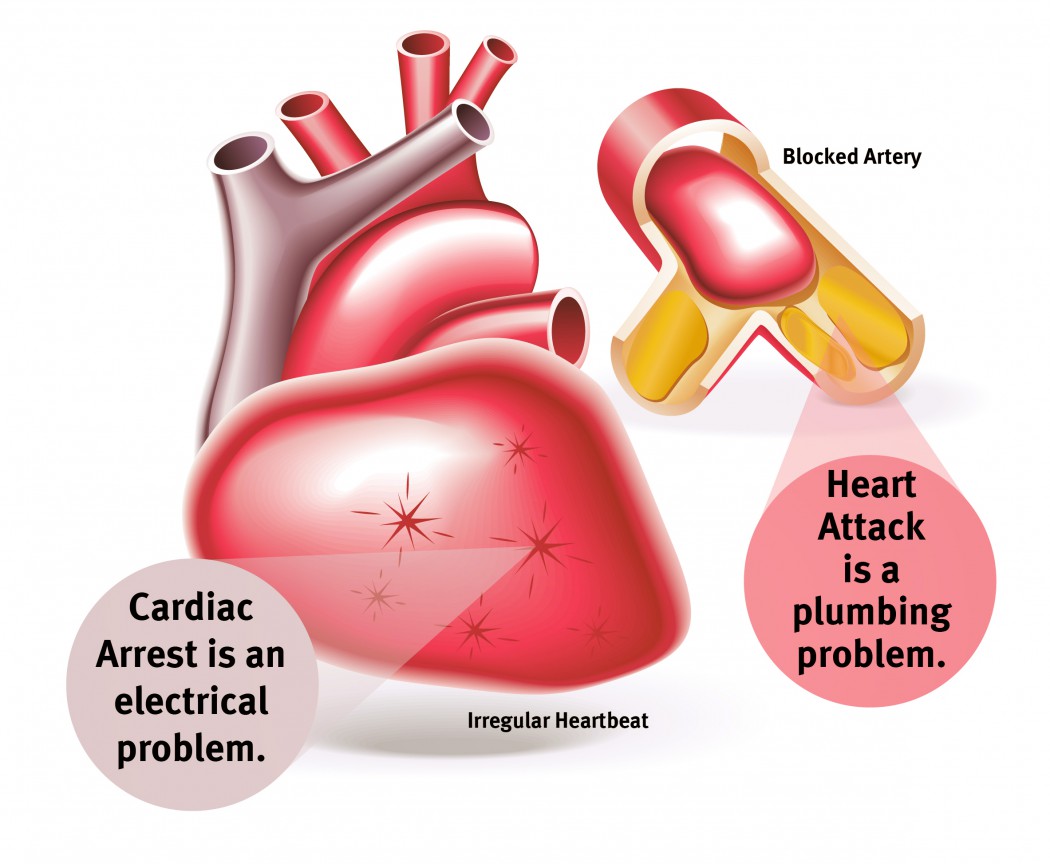
There is a significant difference between a heart attack and cardiac arrest - although a heart attack can lead to a cardiac arrest, they are not the same thing.
A heart attack is a sudden interruption to the blood supply to part of the heart muscle. It is likely to cause chest pain and permanent damage to the heart. The heart is still sending blood around the body and the person remains conscious and is still breathing.
A cardiac arrest occurs when the heart suddenly stops pumping blood around the body. Someone who is having a cardiac arrest will suddenly lose consciousness and will stop breathing or stop breathing normally. Unless immediately treated by CPR, this always leads to death within minutes.
Both a heart attack and a cardiac arrest are life-threatening medical emergencies and require immediate medical help.
Pam Furber and Graham Furber are the Bomere Heath AED co-ordinators.
Any Donations are very welcome to keep this project running
Contact Details E: pamfurber@ yahoo.com or graham.furber@yahoo.com
Update Nov 2025
The PC has a commitment to local groups and organisations. The PC is a strong supporter of the Bomere Heath AED Volunteers Group,
For several years we support the phone line costs and contributed towards the maintenance of the AED.
UPDATE OCT 2025 - "On November 2nd, we will have been ‘live’ for 10 years (excluding the ‘Covid’ year) and hopefully we can continue to serve our community in this way.
‘Call-outs’ have been sparse this year because WMAS has changed its criteria for contacting volunteer AED groups like ours. We are not classed as ‘First Responders’. If you watch any of the ‘Ambulance’ programmes on TV, you will notice that the first question the Controllers always ask is “Is the patient breathing? If the answer is ‘No!’ then that triggers a cardiac arrest response situation
During the last year or so, luckily these have been minimal in our area, but our team is always ready to respond should the need arise"
Should anyone wish to support the AED group either financially or as a volunteer, please contact Graham.
Graham Furber BHAED Volunteers Co-ordinator
H tel: (01939) 290649
Mob: 07885 599889
email: graham.furber@yahoo.com